hamburger neon sign
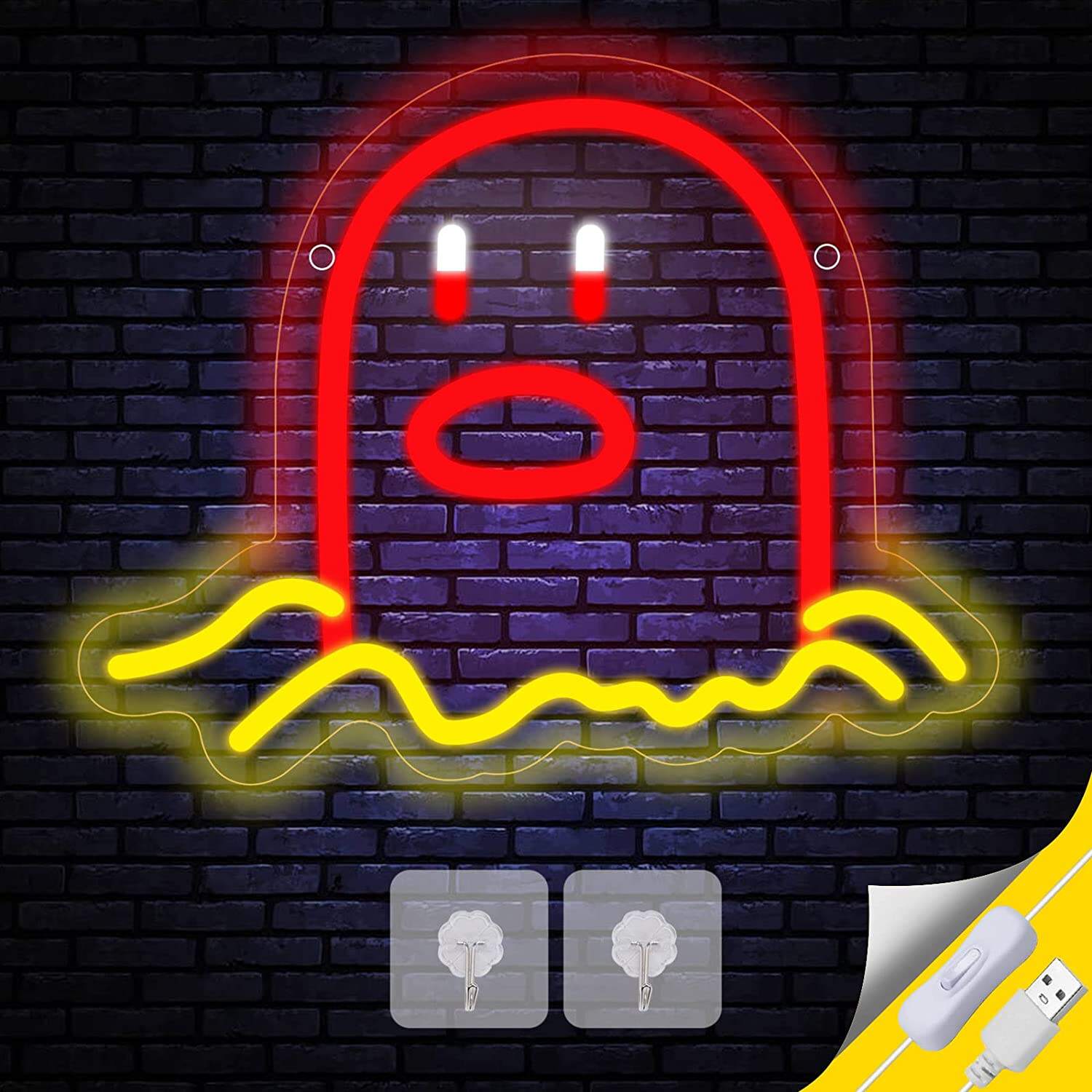
A hamburger neon sign represents the perfect fusion of classic American dining culture and modern LED technology, creating an eye-catching display that instantly communicates your establishment's specialty. These illuminated signs feature vibrant colors and dynamic lighting effects that make hamburgers appear incredibly appetizing, even from a considerable distance. The hamburger neon sign combines traditional neon aesthetics with contemporary LED efficiency, offering restaurant owners a powerful marketing tool that operates 24/7. Modern hamburger neon signs utilize advanced LED technology that mimics the warm glow of traditional neon while consuming significantly less energy. The signs typically feature realistic hamburger designs with layers of lettuce, tomatoes, cheese, and beef patties that seem to glow with mouth-watering appeal. These signs incorporate programmable lighting sequences, allowing owners to create pulsing, chasing, or steady illumination patterns that best suit their brand identity. The technological features include weather-resistant construction, ensuring reliable outdoor operation in various climatic conditions. Many hamburger neon signs feature smart controls that enable remote operation via smartphone applications, allowing owners to adjust brightness levels, timing schedules, and lighting patterns without physical access to the sign. The applications extend beyond traditional restaurants to include food trucks, delivery services, catering businesses, and even home entertainment areas. Commercial establishments use these signs to enhance their storefront visibility during both day and night hours, creating a welcoming atmosphere that draws customers inside. The hamburger neon sign serves multiple functions including brand identification, menu advertising, and creating ambiance that encourages impulse purchases. Installation flexibility allows these signs to be mounted on walls, suspended from ceilings, or positioned as freestanding displays, making them suitable for various architectural configurations and space constraints.


 EN
EN