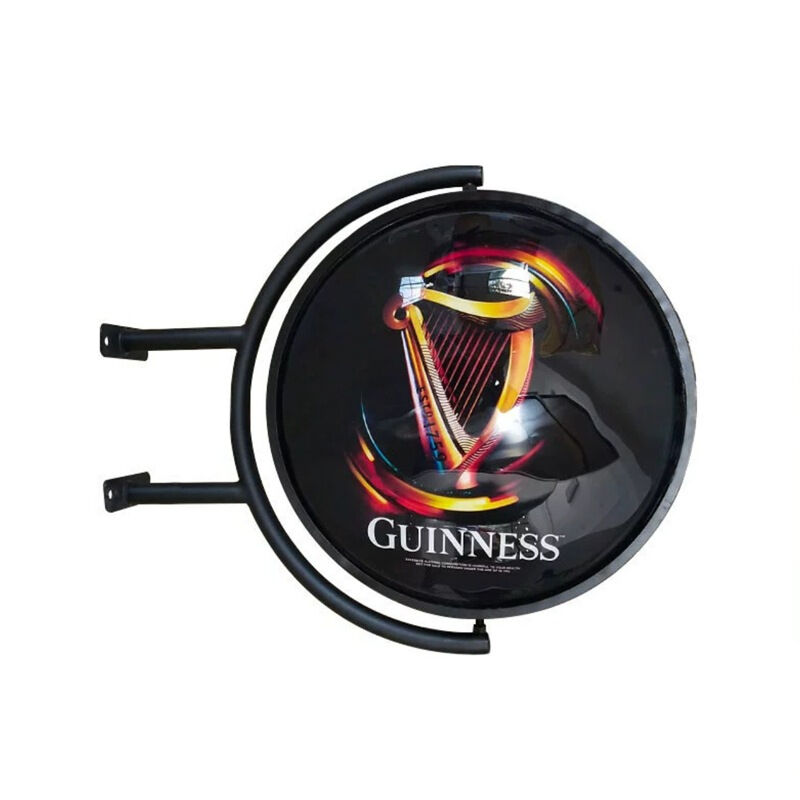
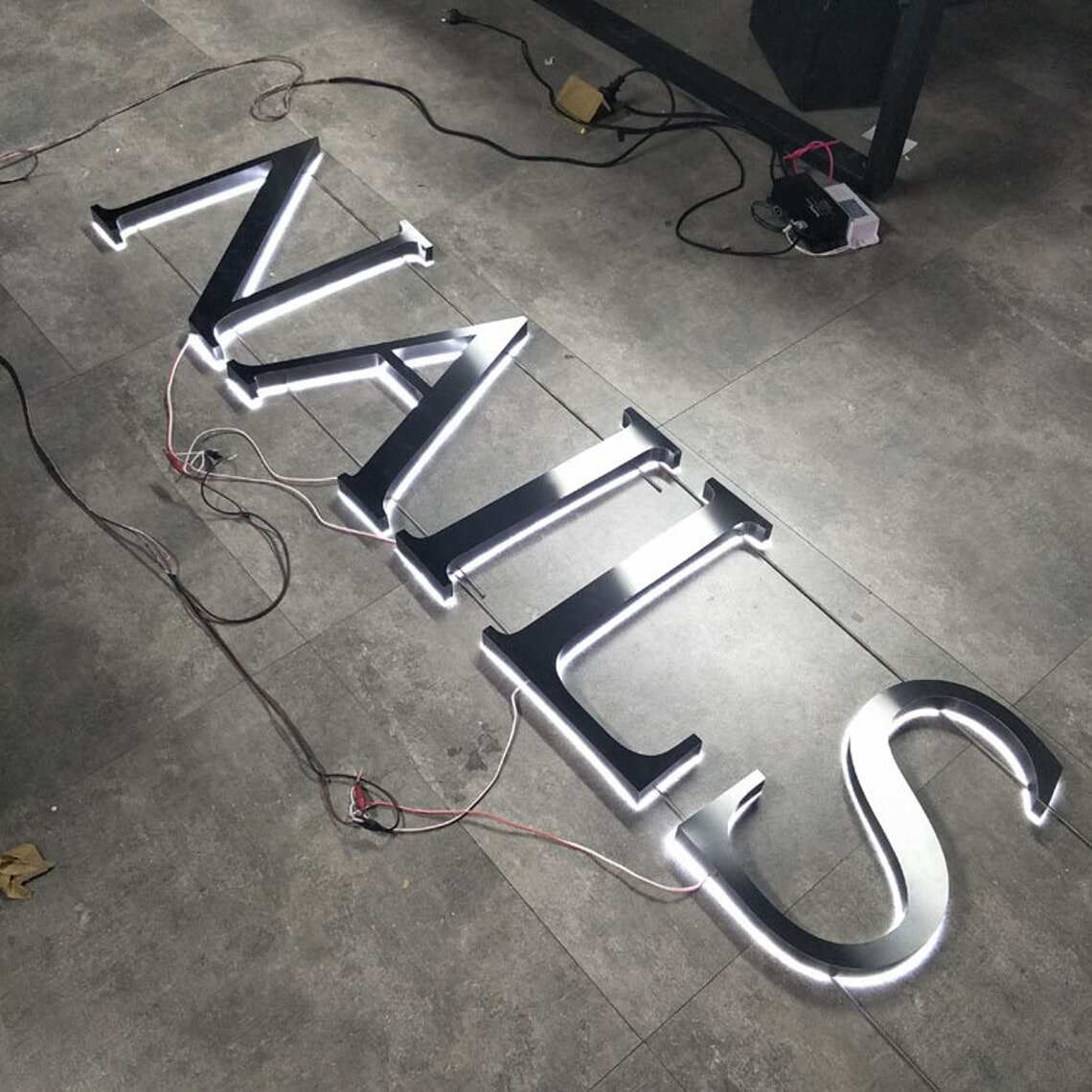
led neon letters
LED neon letters represent a revolutionary advancement in illuminated signage technology, combining the classic aesthetic appeal of traditional neon with modern LED efficiency and versatility. These sophisticated lighting solutions utilize flexible LED strips encased in silicone housings that perfectly mimic the smooth, continuous glow of conventional neon tubing while delivering superior performance and reliability. The core technology behind LED neon letters involves densely packed light-emitting diodes that produce uniform illumination across the entire length of each letter, creating seamless visual continuity without the hotspots or dark zones common in other lighting systems. The primary functions of LED neon letters extend far beyond basic illumination, serving as powerful branding tools, architectural accent features, and attention-grabbing advertising mediums. These versatile lighting systems excel in both indoor and outdoor applications, offering weather-resistant construction that withstands harsh environmental conditions including rain, snow, extreme temperatures, and UV exposure. The technological features of LED neon letters include programmable controllers that enable dynamic color changes, dimming capabilities, and synchronized lighting effects across multiple installations. Advanced models incorporate smart connectivity features, allowing remote control and monitoring through wireless networks or mobile applications. The flexible nature of LED neon letters enables custom fabrication into virtually any font style, logo design, or decorative pattern, making them ideal for retail storefronts, restaurant signage, corporate branding, entertainment venues, and architectural lighting projects. Installation versatility represents another key advantage, as these systems can be mounted on various surfaces including walls, facades, frames, or suspended configurations. The low voltage operation of LED neon letters ensures safe handling during installation and maintenance while reducing electrical infrastructure requirements compared to traditional neon systems.


 EN
EN