Solar Signs: Revolutionary Self-Powered Signage Solutions for Modern Applications

Contact me immediately if you encounter problems!

All Categories

solarsigns

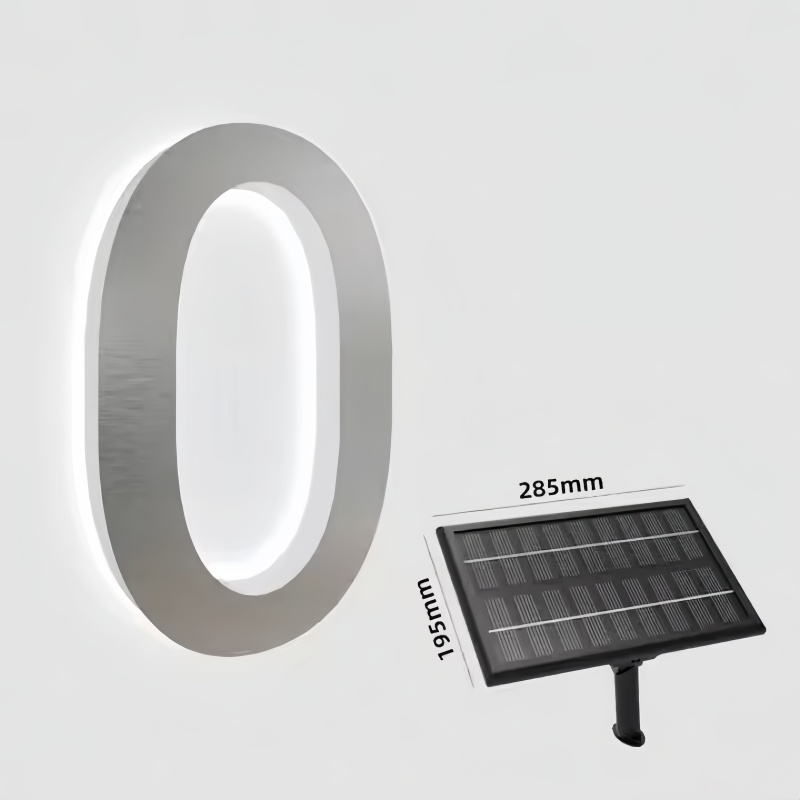
Solar signs represent a revolutionary advancement in outdoor signage technology, combining sustainable energy solutions with effective communication capabilities. These innovative display systems harness solar power to illuminate and operate signage without requiring connection to traditional electrical grids. Solar signs integrate photovoltaic panels, energy storage batteries, and LED display technologies to create self-sufficient communication platforms suitable for various environments and applications. The core functionality of solar signs centers on their ability to capture sunlight during daylight hours through integrated solar panels, converting this renewable energy into electrical power that charges internal battery systems. This stored energy then powers LED lighting arrays, digital displays, or illumination systems throughout nighttime hours and periods of low ambient light. Modern solar signs incorporate intelligent power management systems that optimize energy consumption while maintaining consistent performance levels across different weather conditions and seasonal variations. Technological features of solar signs include advanced photovoltaic cells with high conversion efficiency rates, lithium-ion battery storage systems designed for extended operational cycles, weather-resistant housing materials that protect internal components from environmental elements, and smart controllers that regulate power distribution and system operations. Many solar signs also feature programmable timers, motion sensors for adaptive brightness control, and remote monitoring capabilities that enable centralized management of multiple units across large installations. Applications for solar signs span numerous industries and use cases, including traffic management systems where they serve as warning signs, speed limit displays, and construction zone notifications. Commercial enterprises utilize solar signs for storefront advertising, promotional displays, and wayfinding systems that operate independently of building power infrastructure. Municipal governments deploy solar signs for public information displays, park signage, emergency notifications, and community bulletin boards. Rural and remote locations particularly benefit from solar signs due to the elimination of costly electrical infrastructure installation and ongoing utility expenses, making them ideal solutions for highway signage, agricultural property markers, and wilderness area information displays.

New Product Recommendations

Solar signs deliver exceptional cost savings by eliminating monthly electricity bills and reducing long-term operational expenses significantly. Property owners and organizations no longer need to budget for continuous power consumption costs associated with traditional illuminated signage, as solar signs generate their own electricity from abundant sunlight. Installation costs prove lower than conventional electric signs because solar signs require no electrical trenching, conduit installation, or connection to power grids, eliminating expensive contractor fees and permit requirements typically associated with electrical work. Maintenance requirements for solar signs remain minimal compared to traditional alternatives, as they contain fewer moving parts and operate through reliable solid-state LED technology that lasts considerably longer than conventional lighting systems. Environmental benefits make solar signs attractive to eco-conscious consumers and organizations committed to reducing carbon footprints through sustainable practices. These systems produce zero emissions during operation while utilizing clean, renewable solar energy that contributes to environmental preservation goals. Solar signs demonstrate corporate social responsibility initiatives and support green building certifications that enhance organizational reputation and market positioning. Flexibility in placement represents another significant advantage, as solar signs can be installed virtually anywhere with adequate sun exposure without regard for proximity to electrical infrastructure. This independence enables strategic positioning for maximum visibility and effectiveness rather than compromising placement due to power availability constraints. Remote locations, temporary installations, and mobile applications all benefit from the portability and self-sufficiency that solar signs provide. Reliability of solar signs exceeds expectations through advanced battery backup systems that ensure continuous operation even during extended cloudy periods or seasonal variations in sunlight availability. Modern solar signs incorporate intelligent power management that adjusts brightness levels and operational parameters to maximize battery life while maintaining visibility requirements. Many systems include redundant components and fail-safe mechanisms that prevent complete system failures and extend overall service life. Solar signs offer enhanced safety features by operating at low voltages that reduce electrical hazard risks during installation, maintenance, and normal operation. Emergency situations particularly benefit from solar sign reliability, as these systems continue functioning during power outages when traditional electric signs fail completely. Customization options for solar signs accommodate diverse application requirements through modular designs that support various sizes, brightness levels, display types, and mounting configurations to meet specific project needs perfectly.

Latest News

How Do You Choose the Right XY Sign for Your Business Location?

11

Aug

How Do You Choose the Right XY Sign for Your Business Location?

Maximizing Business Impact with the Perfect XY Sign Choosing the right signage is an essential step for any business looking to attract attention and communicate its brand effectively. Among various signage options, the XY Sign stands out as a versat...
View More
How Do XY Signs Compare to Traditional Signage Options?

11

Aug

How Do XY Signs Compare to Traditional Signage Options?

Exploring Modern Signage Innovations for Business Growth In the evolving world of business branding and marketing, signage plays a vital role in attracting customers and establishing a professional presence. The introduction of XY Sign technology off...
View More
How Can Glass Light Boxes Enhance Brand Visibility?

19

Sep

How Can Glass Light Boxes Enhance Brand Visibility?

Transforming Brand Presence with Illuminated Glass Displays In the competitive landscape of modern marketing, businesses are constantly seeking innovative ways to capture attention and stand out from the crowd. Glass light boxes have emerged as a pow...
View More
Top Advantages of Using Custom LED Letters for Business Signs

27

Nov

Top Advantages of Using Custom LED Letters for Business Signs

Modern businesses constantly seek innovative ways to enhance their visibility and attract customers, making signage solutions more critical than ever before. Among the most effective and versatile options available today, custom LED letters have emer...
View More

Get a Free Quote

Our representative will contact you soon.
Email
Name
Company Name
Message
0/1000

solarsigns

Advanced Energy Management Technology

Advanced Energy Management Technology

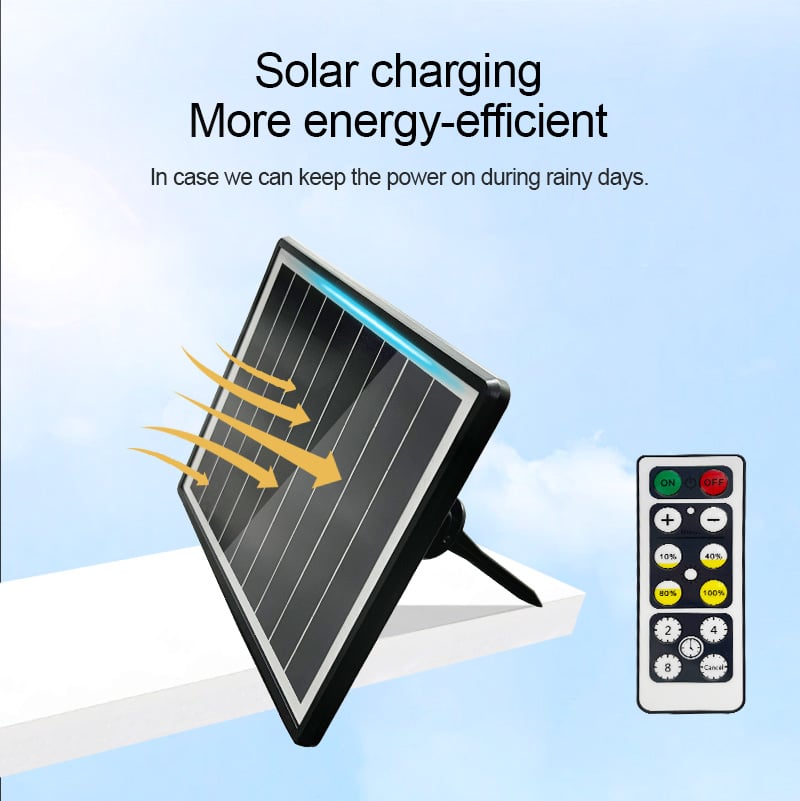
Solar signs incorporate sophisticated energy management systems that represent the pinnacle of renewable energy application in signage technology. These intelligent systems feature multi-stage charging controllers that optimize solar panel output while protecting battery systems from overcharging, deep discharge cycles, and temperature-related performance degradation. The energy management technology continuously monitors environmental conditions, battery status, and power consumption patterns to automatically adjust operational parameters for maximum efficiency and longevity. Advanced solar signs utilize maximum power point tracking algorithms that ensure photovoltaic panels operate at peak efficiency regardless of changing weather conditions, seasonal sun angles, or partial shading scenarios. This technology increases energy harvest by up to thirty percent compared to basic solar charging systems, providing extended operational time and improved reliability during challenging conditions. Battery management systems within solar signs employ sophisticated monitoring circuits that track individual cell voltages, temperature readings, and charge cycles to prevent premature battery failure and optimize replacement scheduling. These systems automatically balance cell charges, implement thermal protection protocols, and provide diagnostic information for proactive maintenance planning. Smart load management features enable solar signs to prioritize critical functions during low-energy periods while maintaining essential visibility requirements. Programmable timers allow customized operational schedules that align with traffic patterns, business hours, or specific usage requirements while conserving energy during unnecessary periods. Motion sensor integration provides adaptive brightness control that increases illumination when pedestrians or vehicles approach while reducing power consumption during inactive periods. Remote monitoring capabilities through cellular or wireless communication enable centralized management of multiple solar sign installations, providing real-time status updates, performance analytics, and maintenance alerts. This technology reduces operational overhead while ensuring optimal performance across entire sign networks. Energy storage optimization algorithms predict power requirements based on historical usage patterns, weather forecasts, and seasonal variations to ensure adequate reserve capacity for extended operational periods without sunlight.
Superior Weather Resistance and Durability

Superior Weather Resistance and Durability

Solar signs demonstrate exceptional durability through engineered weather resistance that ensures reliable performance across diverse environmental conditions and extreme climate scenarios. Manufacturing processes utilize marine-grade aluminum housings with powder-coated finishes that resist corrosion, UV degradation, and chemical exposure from road salt, industrial emissions, and atmospheric pollutants. These protective measures extend operational life significantly while maintaining aesthetic appearance throughout years of continuous outdoor exposure. Ingress protection ratings of IP65 or higher ensure complete protection against dust infiltration and water ingress from rain, snow, ice, and high-pressure washing during maintenance procedures. Gasket sealing systems and precision-engineered enclosure designs prevent moisture penetration that could damage sensitive electronic components or create safety hazards. Temperature compensation features within solar signs accommodate extreme thermal cycling from desert heat to arctic cold without compromising performance or reducing component lifespan. Battery systems incorporate thermal management that prevents overheating during summer months while maintaining adequate capacity during winter conditions. Solar panels feature tempered glass surfaces with anti-reflective coatings that resist impact damage from hail, debris, and vandalism attempts while maximizing light transmission for optimal energy generation. Mounting systems utilize heavy-duty galvanized steel or stainless steel hardware designed to withstand hurricane-force winds, seismic activity, and thermal expansion cycles without loosening or failure. Vibration dampening features protect electronic components from road traffic, construction activity, and natural phenomena that could cause premature wear or component damage. Quality control testing subjects solar signs to accelerated aging protocols that simulate decades of environmental exposure in controlled laboratory conditions, ensuring long-term reliability before market introduction. Field testing in various climatic zones validates performance across temperature extremes, humidity variations, salt air exposure, and UV radiation levels that exceed normal operational requirements. Component selection prioritizes proven technologies with established reliability records rather than experimental materials or designs that could compromise long-term performance. Warranty coverage typically extends five to ten years for complete systems, reflecting manufacturer confidence in durability and providing customers with financial protection against premature failure or performance degradation.
Versatile Applications and Easy Installation

Versatile Applications and Easy Installation

Solar signs offer unmatched versatility through modular designs that accommodate virtually any signage requirement while simplifying installation procedures compared to traditional electric alternatives. Customization options include various sizes from compact pedestrian-scale displays to large highway-visible installations, multiple mounting configurations including pole-mounted, wall-mounted, and portable designs, plus diverse display technologies ranging from simple LED illumination to full-color digital messaging capabilities. This flexibility enables solar signs to serve municipal traffic control, commercial advertising, industrial safety communication, recreational facility information, and emergency management applications with equal effectiveness. Installation simplicity represents a major advantage as solar signs require no electrical connections, trenching, or specialized electrical contractor services that increase project costs and complexity. Standard installation procedures involve setting mounting posts, positioning sign assemblies, and activating systems without permits or inspections typically required for electrical work. This streamlined process reduces installation time from days to hours while eliminating weather delays associated with electrical connections and concrete work. Portable solar signs provide temporary signage solutions for construction zones, special events, emergency situations, and seasonal applications where permanent installations are impractical or unnecessary. These mobile units feature integrated battery systems, collapsible mounting hardware, and transportation-friendly designs that enable rapid deployment and repositioning as requirements change. Remote location capabilities make solar signs ideal for rural highways, agricultural properties, recreational trails, and wilderness areas where electrical infrastructure is unavailable or prohibitively expensive to install. National parks, forest services, and outdoor recreation facilities utilize solar signs for visitor information, safety warnings, and regulatory communications without compromising natural environments through power line installation. Commercial applications benefit from solar sign independence during power outages, construction projects, or utility service interruptions that disable traditional electric signs completely. Business continuity advantages ensure consistent brand visibility and customer communication regardless of electrical infrastructure reliability. Maintenance accessibility features include ground-level component access, tool-free battery replacement procedures, and diagnostic indicators that simplify service procedures without specialized equipment or training requirements. Modular component designs enable field replacement of individual elements without complete system replacement, reducing long-term maintenance costs while maximizing operational uptime through rapid repair capabilities.
Advantage

Why Choose Us

Get a Free Quote

Our representative will contact you soon.
Email
Name
Company Name
Message
0/1000