

 EN
EN
In today's competitive business landscape, creating a memorable brand presence requires more than just quality products or services. A well-designed custom neon sign can transform your storefront, office space, or event venue into an eye-catching destination that draws customers and communicates your brand identity effectively. Whether you're launching a new restaurant, upgrading your retail space, or planning a special event, understanding the key design factors for your custom neon sign will ensure maximum impact and return on investment.
The strategic placement and design of illuminated signage has evolved significantly over the past decade. Modern LED technology has revolutionized how businesses approach neon signage, offering enhanced durability, energy efficiency, and design flexibility. When planning your custom neon sign project, several critical factors must be carefully evaluated to achieve optimal results that align with your business objectives and budget constraints.
Brand Identity and Visual Messaging
Typography and Font Selection
The typography choices for your custom neon sign directly impact brand recognition and message clarity. Script fonts work exceptionally well for restaurants, cafes, and boutique businesses seeking an elegant, personal touch. Bold sans-serif fonts communicate strength and reliability, making them ideal for automotive, technology, and industrial businesses. Consider the viewing distance when selecting font styles – intricate script fonts may become illegible from across the street.
Font weight and spacing play crucial roles in readability and visual impact. Thicker letterforms typically perform better in bright ambient lighting conditions, while thinner designs create sophisticated appearances in controlled lighting environments. The spacing between characters should accommodate the neon tubing diameter while maintaining visual cohesion and preventing letters from appearing disconnected or crowded.
Color Psychology and Brand Alignment
Color selection for your custom neon sign extends far beyond personal preferences or aesthetic appeal. Different colors evoke specific emotional responses and associations that can significantly influence customer behavior and brand perception. Red neon creates urgency and excitement, making it popular for restaurants and entertainment venues. Blue conveys trust and professionalism, ideal for financial services, healthcare, and technology companies.
Green neon suggests growth, health, and environmental consciousness, while purple communicates luxury and creativity. Yellow and orange hues generate warmth and energy, perfect for cafes, bakeries, and family-oriented businesses. Your custom neon sign colors should harmonize with existing brand guidelines and complement your physical space's interior and exterior design elements.
Technical Specifications and Performance
Size Optimization and Viewing Distance
Determining the appropriate dimensions for your custom neon sign requires careful analysis of viewing distances, mounting locations, and surrounding environmental factors. A general rule suggests that sign height should equal one inch for every ten feet of viewing distance. However, this calculation must account for traffic speed, competing visual elements, and lighting conditions in your specific location.
Oversized signage can overwhelm smaller buildings or intimate interior spaces, while undersized signs may fail to capture attention in busy commercial districts. Consider both primary and secondary viewing positions – customers approaching from different angles, pedestrian traffic versus vehicle traffic, and daytime versus nighttime visibility requirements when sizing your custom neon sign.
Power Requirements and Energy Efficiency
Modern LED neon technology offers significant advantages over traditional glass neon tubes in terms of energy consumption, maintenance requirements, and operational costs. A typical custom neon sign using LED technology consumes 80-90% less electricity than equivalent glass neon installations. This efficiency translates to substantial savings over the sign's operational lifetime, particularly for businesses operating extended hours.
Power supply considerations include voltage requirements, transformer specifications, and backup power options for critical applications. Dimming capabilities allow businesses to adjust brightness levels throughout operating hours, creating different moods while optimizing energy consumption. Smart controls enable automated scheduling and remote monitoring, adding convenience and operational flexibility to your custom neon sign installation.
Installation and Environmental Considerations
Weather Resistance and Durability
Outdoor custom neon sign installations face constant exposure to weather elements that can significantly impact performance and longevity. Temperature fluctuations, humidity, precipitation, and UV radiation all pose potential challenges that must be addressed through proper material selection and protective measures. High-quality LED neon products typically feature IP65 or higher ratings, ensuring protection against dust ingress and water penetration.
Thermal management becomes particularly important in regions experiencing extreme temperature variations. Aluminum mounting channels provide excellent heat dissipation while offering structural support for larger installations. Silicone housing materials resist UV degradation and maintain flexibility across wide temperature ranges, preventing cracking or discoloration that could compromise your custom neon sign's appearance and functionality.
Mounting Methods and Structural Support
Proper mounting techniques ensure long-term stability and safety for your custom neon sign installation. Wall-mounted applications require appropriate anchoring systems rated for the sign's weight and wind load calculations. Suspended installations need certified mounting hardware and regular inspection schedules to maintain safety compliance.
Building codes and permitting requirements vary significantly by location and must be researched thoroughly before finalizing design specifications. Some municipalities impose restrictions on sign brightness, operating hours, or flashing patterns. Professional installation ensures compliance with electrical codes and safety standards while protecting your investment through proper workmanship and warranty coverage.
Cost Analysis and Return on Investment
Initial Investment Versus Long-Term Value
Budget planning for your custom neon sign project should encompass both initial costs and ongoing operational expenses. While LED neon technology typically requires higher upfront investment compared to basic signage alternatives, the superior durability and energy efficiency deliver compelling long-term value propositions. Professional design services, quality materials, and expert installation contribute to project costs but significantly reduce future maintenance and replacement expenses.
Consider the potential revenue impact of enhanced visibility and brand recognition when evaluating custom neon sign investments. Studies indicate that effective signage can increase business visibility by 15-20% and directly influence customer acquisition rates. The ability to operate continuously without significant maintenance requirements makes custom neon sign installations particularly attractive for 24-hour businesses and establishments in high-traffic areas.
Maintenance Requirements and Service Life
LED-based custom neon sign systems typically offer 50,000 to 100,000 hours of operation before requiring replacement, significantly exceeding traditional neon tube lifespans. Routine maintenance involves periodic cleaning and electrical connection inspections rather than frequent tube replacements or gas refills. This reliability advantage reduces operational disruptions and ongoing service costs.
Warranty coverage varies among manufacturers and should be carefully evaluated during the selection process. Comprehensive warranties covering both LED components and housing materials provide additional peace of mind and financial protection. Some suppliers offer extended service agreements including preventive maintenance and emergency repair services for critical business applications.
Design Integration and Aesthetic Harmony
Architectural Compatibility
Your custom neon sign should complement rather than compete with existing architectural elements and surrounding design themes. Modern buildings with clean lines benefit from minimalist neon designs featuring simple geometric shapes and contemporary typography. Historic buildings may require more ornate designs that respect traditional architectural styles while providing contemporary functionality.
Scale relationships between signage and building proportions create visual harmony and professional appearances. Overly dominant signage can detract from architectural features, while undersized custom neon sign installations may appear insignificant relative to building masses. Professional design consultation helps achieve optimal balance between visibility requirements and aesthetic integration.
Lighting Design and Ambiance
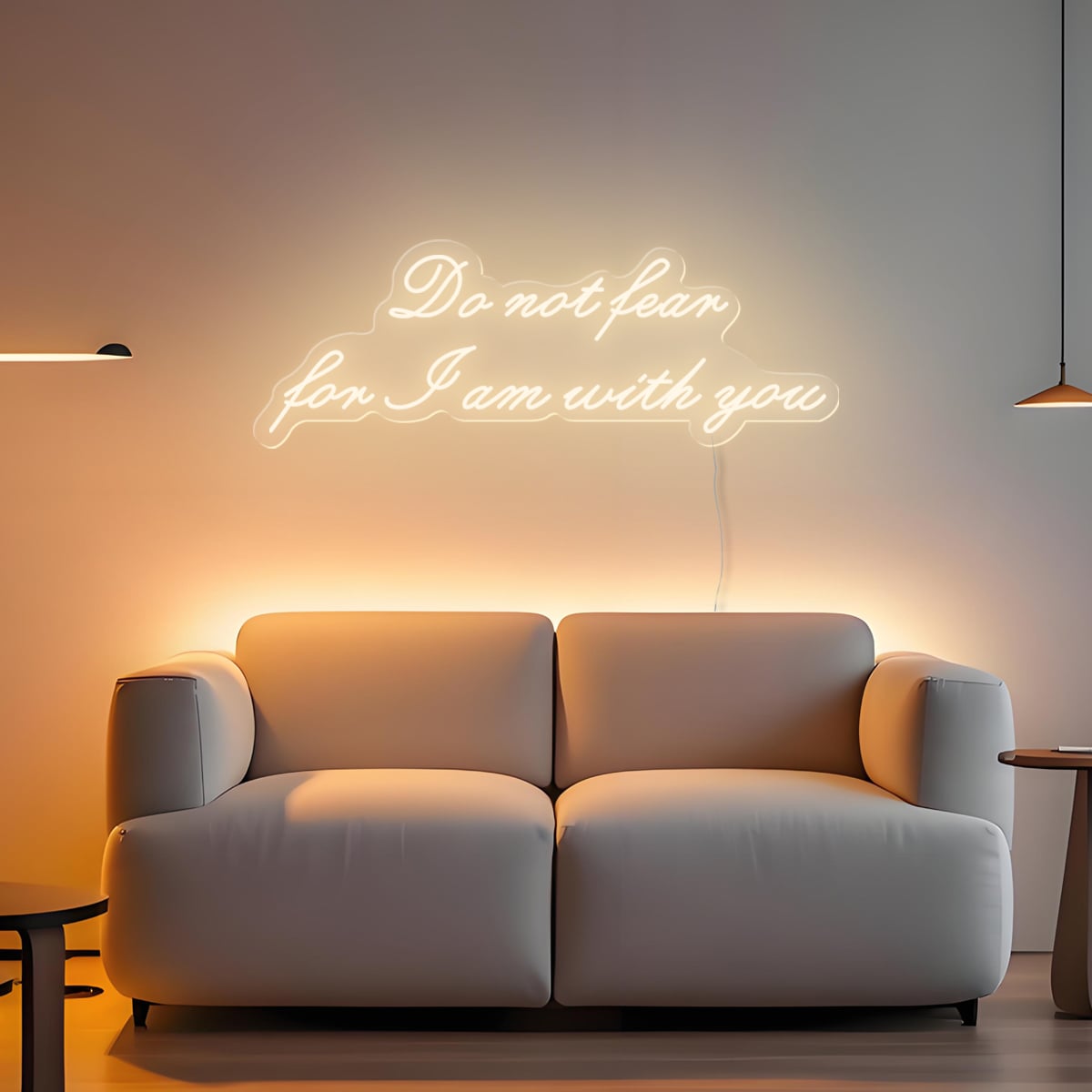
Custom neon sign lighting contributes significantly to overall ambiance and customer experience in both interior and exterior applications. Warm color temperatures create inviting, comfortable atmospheres suitable for restaurants, cafes, and hospitality businesses. Cool color temperatures project modern, professional images appropriate for technology companies, medical facilities, and financial institutions.
Dynamic lighting effects including fading, chasing, and color-changing capabilities add visual interest and can differentiate your custom neon sign from static competitors. However, excessive animation may violate local ordinances or create visual distractions that detract from message clarity. Balance creativity with functionality to achieve optimal results that support business objectives rather than merely creating spectacle.
FAQ
How long does a custom neon sign typically last?
Modern LED custom neon sign installations typically provide 50,000 to 100,000 hours of continuous operation, equivalent to 10-20 years of normal business use. This exceptional longevity results from LED technology's inherent durability and resistance to vibration, temperature variations, and electrical fluctuations that commonly affect traditional neon tubes.
What maintenance is required for custom neon sign installations?
LED-based custom neon sign systems require minimal maintenance compared to traditional glass neon installations. Routine care involves periodic cleaning with mild detergents, visual inspections of electrical connections, and occasional replacement of power supplies or controllers. Most systems operate maintenance-free for several years under normal conditions.
Can custom neon sign designs include multiple colors?
Yes, modern custom neon sign technology supports virtually unlimited color combinations and even color-changing effects. RGB LED systems can produce millions of color variations, while addressable LED strips enable complex patterns and animations. Design flexibility allows for brand color matching and creative effects that were impossible with traditional neon technology.
What permits are required for custom neon sign installation?
Permit requirements for custom neon sign installations vary significantly by location and typically involve building permits, electrical permits, and sign permits from municipal authorities. Commercial installations often require professional engineering stamps and compliance with specific zoning restrictions. Consulting with local authorities early in the design process helps avoid delays and ensure regulatory compliance.