house sign solar
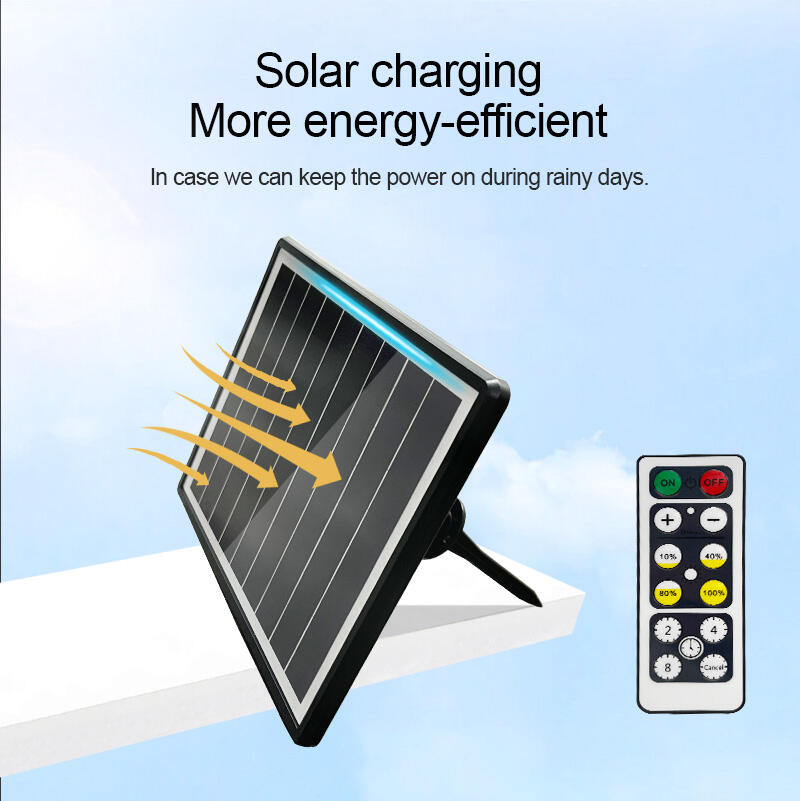
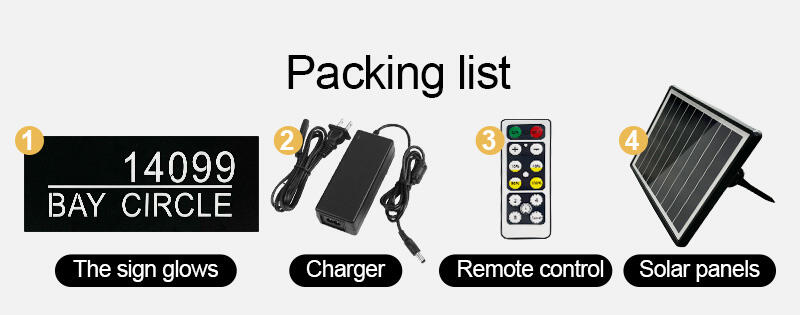
A house sign solar represents an innovative fusion of traditional property identification and modern renewable energy technology. This sophisticated outdoor signage solution integrates photovoltaic panels with illuminated address displays, creating a self-sustaining identification system for residential and commercial properties. The house sign solar operates independently from the electrical grid, harnessing sunlight during daylight hours to power LED lighting systems that illuminate property numbers, names, or directional information throughout the evening hours. The core functionality centers around advanced solar cell technology that converts sunlight into electrical energy, which is then stored in high-capacity lithium-ion or nickel-metal hydride batteries. These energy storage systems ensure consistent operation even during cloudy weather conditions or extended periods without direct sunlight. The house sign solar typically features weather-resistant construction materials, including tempered glass covers, anodized aluminum frames, and marine-grade stainless steel mounting hardware. Advanced models incorporate intelligent light sensors that automatically activate the illumination system at dusk and deactivate it at dawn, optimizing energy consumption patterns. The technological infrastructure includes microprocessor-controlled charging circuits that prevent battery overcharging and extend operational lifespan. Many house sign solar units feature customizable display options, allowing property owners to select from various font styles, sizes, and color combinations. Installation procedures are streamlined through modular mounting systems that accommodate different architectural styles and surface materials. The applications extend beyond simple address display, encompassing decorative landscape lighting, security enhancement through increased visibility, and emergency identification for first responders. Modern house sign solar systems often integrate wireless connectivity options, enabling remote monitoring and configuration through smartphone applications. The environmental impact remains minimal, as these systems eliminate dependence on conventional electricity sources while providing years of reliable service with minimal maintenance requirements.


 EN
EN