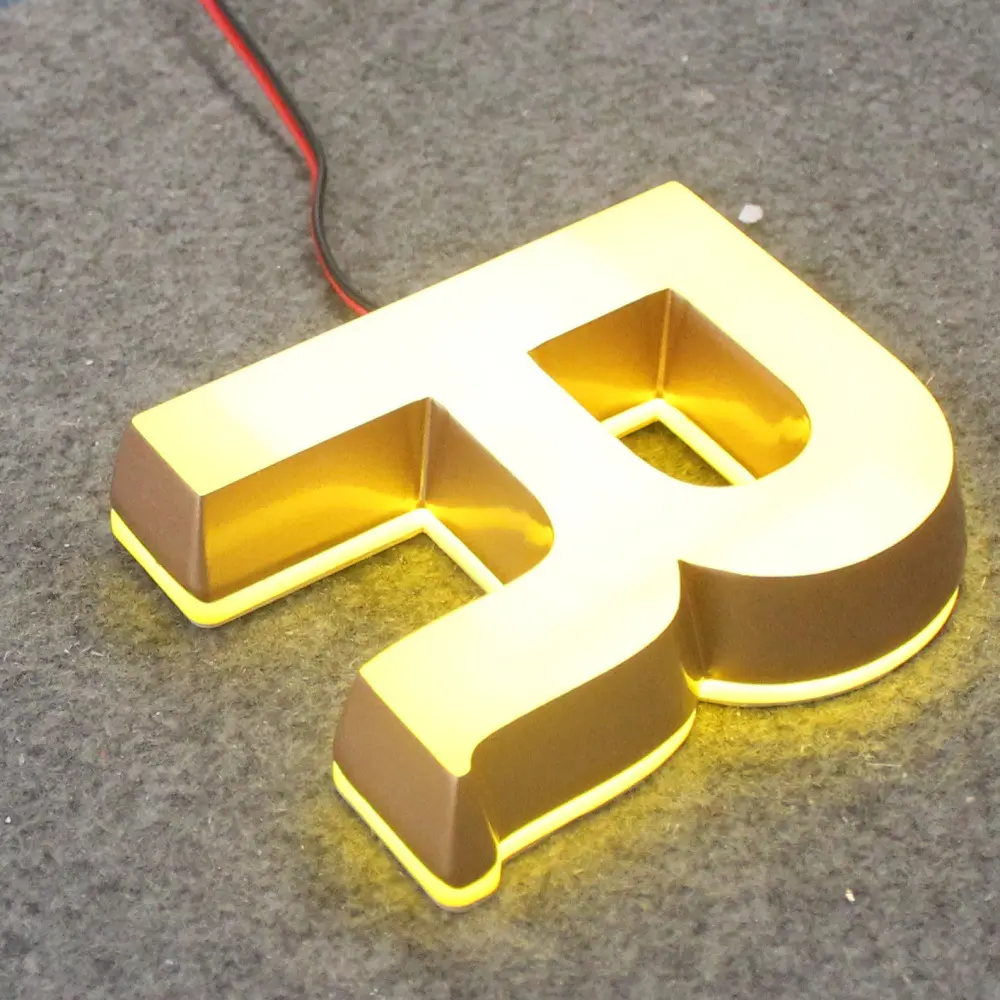
solar welcome sign
A solar welcome sign represents an innovative fusion of traditional signage with cutting-edge renewable energy technology, designed to create lasting first impressions while promoting environmental sustainability. These intelligent displays harness solar power through high-efficiency photovoltaic panels, eliminating dependency on grid electricity and reducing operational costs significantly. The solar welcome sign incorporates advanced LED lighting systems that provide brilliant illumination during nighttime hours, ensuring maximum visibility and impact around the clock. Modern solar welcome signs feature weather-resistant construction using premium materials such as aluminum frames, tempered glass panels, and marine-grade components that withstand harsh environmental conditions including heavy rain, snow, extreme temperatures, and UV radiation. The integrated battery storage system captures and stores solar energy during daylight hours, enabling continuous operation even during cloudy days or extended periods without direct sunlight. Smart sensor technology automatically activates the solar welcome sign at dusk and deactivates it at dawn, optimizing energy consumption and extending battery life. These versatile installations serve multiple applications across residential communities, commercial properties, educational institutions, healthcare facilities, corporate campuses, and municipal buildings. The solar welcome sign can display static messages, scrolling text, or dynamic graphics depending on the specific model and configuration selected. Installation proves remarkably straightforward since no electrical wiring or trenching is required, making the solar welcome sign an ideal solution for remote locations or areas where traditional electrical infrastructure is unavailable or costly to implement. The modular design allows for customization in terms of size, color schemes, message content, and mounting options to match specific aesthetic preferences and functional requirements. Environmental benefits include zero carbon emissions during operation, reduced strain on electrical grids, and demonstration of commitment to sustainable practices that resonate with environmentally conscious stakeholders and community members.


 EN
EN