

 EN
EN
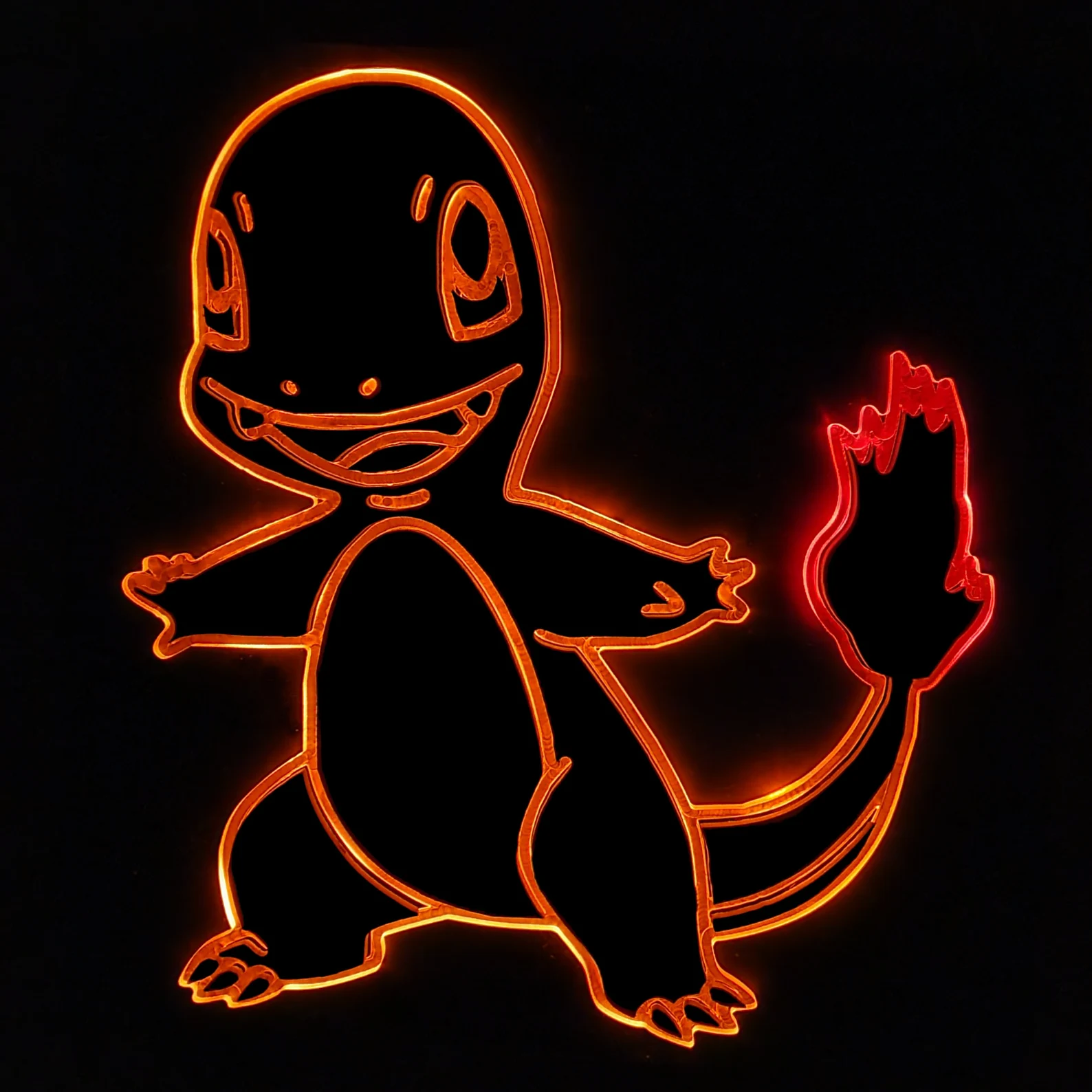
In today's competitive retail landscape, businesses must find innovative ways to capture customer attention and stand out from the crowd. Traditional signage methods are rapidly being replaced by modern digital solutions that offer superior brightness, energy efficiency, and customization options. The evolution of storefront advertising has reached a pivotal point where custom led neon sign technology provides retailers with unprecedented opportunities to enhance their brand visibility and create compelling visual experiences that drive foot traffic and sales.
Understanding Modern LED Neon Technology
Technical Advantages Over Traditional Neon
Modern LED neon technology represents a significant advancement over conventional glass tube neon systems. These cutting-edge solutions utilize high-quality light-emitting diodes arranged in flexible strips that mimic the continuous glow of traditional neon while offering superior performance characteristics. The solid-state construction eliminates the fragility concerns associated with glass tubes, making LED alternatives more durable and suitable for high-traffic commercial environments.
Energy consumption represents one of the most compelling advantages of LED neon technology. Traditional neon signs typically consume 15-20 watts per linear foot, while LED equivalents require only 4-8 watts for the same brightness output. This dramatic reduction in power consumption translates to substantial cost savings over the operational lifetime of the signage, particularly for businesses operating extended hours or maintaining 24/7 visibility.
Color Accuracy and Customization Capabilities
The color reproduction capabilities of modern LED neon systems far exceed those of traditional alternatives. Advanced RGB controllers enable precise color mixing, allowing businesses to achieve exact brand color matches and create dynamic color-changing effects. This level of customization ensures that each custom led neon sign perfectly aligns with corporate branding guidelines and creates cohesive visual messaging across all marketing touchpoints.
Programming flexibility represents another significant advantage of LED neon technology. Businesses can implement sophisticated lighting sequences, including fading transitions, strobing effects, and synchronized patterns that create eye-catching displays. These dynamic capabilities enable retailers to adapt their signage to different promotional campaigns, seasonal themes, or special events without requiring physical modifications to the installation.
Strategic Placement for Maximum Impact
Optimal Height and Viewing Angles
Strategic placement of custom LED neon signage requires careful consideration of pedestrian and vehicular traffic patterns. Research indicates that optimal viewing height for storefront signage ranges between 8-12 feet above ground level, ensuring visibility over parked vehicles while remaining readable for pedestrians. The viewing angle should accommodate approach vectors from multiple directions, particularly at corner locations where foot traffic converges from intersecting pathways.
Distance visibility calculations play a crucial role in determining appropriate sign sizing and brightness levels. A well-designed custom led neon sign should remain clearly visible and readable from distances of 100-200 feet, allowing potential customers sufficient time to process the messaging and make approach decisions. This visibility range requires careful attention to letter sizing, contrast ratios, and illumination intensity.
Integration with Architectural Elements
Successful signage integration considers the existing architectural features of the building facade and surrounding environment. Custom LED neon signs should complement rather than compete with architectural details, creating harmonious visual compositions that enhance overall aesthetic appeal. Proper integration involves selecting mounting methods that preserve building integrity while ensuring secure installation capable of withstanding environmental stresses.
Weather protection represents a critical consideration for exterior installations. High-quality LED neon systems feature IP65 or higher ratings, providing protection against dust ingress and water penetration. These environmental protections ensure consistent performance across diverse climate conditions while minimizing maintenance requirements and extending operational lifespan.
Design Principles for Effective Signage
Typography and Readability Optimization
Effective signage design prioritizes readability across varying viewing conditions and distances. Font selection should favor clean, sans-serif typefaces with adequate stroke width to maintain legibility when illuminated. Character spacing must account for the optical effects of LED illumination, which can cause adjacent letters to visually merge at certain viewing distances. Professional designers recommend testing font combinations under actual lighting conditions before finalizing design specifications.
Contrast optimization ensures maximum readability regardless of ambient lighting conditions. Dark backgrounds with bright illuminated text typically provide superior contrast ratios compared to reverse configurations. However, certain architectural contexts may favor alternative approaches, requiring careful analysis of surrounding light pollution and competitive signage to determine optimal contrast strategies.
Brand Consistency and Recognition
Maintaining brand consistency across all signage elements reinforces customer recognition and builds trust. Color specifications should precisely match established brand guidelines, utilizing calibrated color measurement tools to ensure accuracy. Logo integration must preserve proportional relationships and visual hierarchy established in brand standards documentation.
Message hierarchy guides viewer attention through carefully structured information presentation. Primary messaging elements, typically company names or key product categories, should receive the most prominent visual treatment. Secondary information, such as operating hours or contact details, can utilize smaller text sizes or reduced brightness levels while maintaining readability standards.
Cost-Benefit Analysis and ROI Considerations
Initial Investment vs Long-term Savings
While custom LED neon signage requires higher initial investment compared to traditional alternatives, the long-term economic benefits justify the additional upfront costs. Energy consumption reductions typically result in 60-70% lower electrical operating costs over the system lifetime. Additionally, the extended operational lifespan of LED components, often exceeding 50,000 hours, reduces replacement frequency and associated labor costs.
Maintenance requirements for LED neon systems are substantially lower than traditional alternatives. The absence of fragile glass components eliminates breakage risks, while solid-state electronics provide superior reliability in challenging environmental conditions. Scheduled maintenance typically involves periodic cleaning and electrical connection inspections rather than component replacements, reducing ongoing service costs.
Quantifying Customer Attraction Benefits
Studies conducted by the Sign Research Foundation demonstrate that effective signage can increase customer traffic by 15-30% compared to poorly designed or inadequate alternatives. The enhanced visibility provided by custom led neon sign installations contributes directly to increased foot traffic and sales conversions. These improvements typically result in measurable revenue increases that offset initial investment costs within 12-18 months of installation.
Customer perception studies indicate that businesses with high-quality illuminated signage are perceived as more established, professional, and trustworthy compared to those with poor or inadequate signage. This enhanced perception translates to increased customer confidence and higher conversion rates, particularly for businesses targeting quality-conscious demographics.
Installation and Technical Considerations
Electrical Requirements and Safety Standards
Professional installation of custom LED neon signage requires adherence to local electrical codes and safety standards. Most LED neon systems operate on low-voltage DC power, typically 12V or 24V, requiring appropriate transformers and power supplies rated for the total system load. Proper electrical design includes overcurrent protection devices and weatherproof connections to ensure safe, reliable operation.
Grounding and electrical isolation represent critical safety considerations for exterior installations. All metallic components must be properly grounded according to local electrical codes, while power supplies should incorporate isolation transformers to prevent electrical hazards. Professional electricians familiar with commercial signage installations should perform all electrical connections and system commissioning.
Structural Mounting and Support Systems
Mounting system design must account for wind loading, seismic forces, and thermal expansion effects. Engineering calculations should consider local wind speed requirements and appropriate safety factors to ensure structural adequacy. Attachment methods vary depending on building construction materials, with specialized fasteners required for masonry, steel, or composite facade systems.
Thermal management prevents premature component failure and ensures consistent light output over the system lifetime. Adequate ventilation around power supplies and control electronics prevents overheating, while thermal expansion joints accommodate dimensional changes in longer installations. Proper thermal design extends component lifespan and maintains color consistency across the entire display.
Maintenance and Longevity Strategies
Preventive Maintenance Protocols
Establishing comprehensive preventive maintenance protocols maximizes the operational lifespan of custom LED neon installations while minimizing unexpected failures. Regular cleaning schedules should address dust accumulation on LED surfaces and cooling vents, as contamination reduces light output and increases operating temperatures. Quarterly inspections can identify potential issues before they result in system failures or performance degradation.
Electrical connection monitoring represents a crucial maintenance activity for exterior installations. Temperature cycling and environmental exposure can cause connection deterioration over time, leading to voltage drops and inconsistent performance. Annual electrical testing using appropriate instrumentation can identify developing problems and enable proactive repairs before visible performance issues occur.
Component Replacement and Upgrade Strategies
Modern LED neon systems feature modular construction that facilitates selective component replacement without requiring complete system overhaul. Individual LED strips or control modules can be replaced as needed, minimizing repair costs and system downtime. Maintaining spare component inventory for critical installations ensures rapid restoration of full functionality following unexpected failures.
Technology upgrade pathways allow businesses to enhance system capabilities without complete replacement. Control system upgrades can add new features such as wireless connectivity, smartphone app control, or integration with building automation systems. These incremental improvements extend the useful life of existing installations while providing access to emerging technologies and capabilities.
FAQ
What factors determine the lifespan of custom LED neon signs
The lifespan of custom LED neon signs typically ranges from 50,000 to 100,000 operating hours, depending on component quality, environmental conditions, and maintenance practices. High-quality LED chips from reputable manufacturers provide the longest operational life, while proper thermal management and protection from moisture significantly extend system longevity. Regular maintenance, including cleaning and electrical connection inspection, can maximize the achievable lifespan and maintain consistent performance throughout the operational period.
How do weather conditions affect LED neon sign performance
LED neon signs designed for exterior use feature weatherproof construction with IP65 or higher ratings, providing protection against rain, snow, and dust. Temperature extremes can affect performance, with very cold conditions potentially reducing brightness temporarily until the LEDs warm up. High-quality systems include thermal compensation circuits that maintain consistent light output across the specified operating temperature range, typically from -20°F to 120°F for commercial-grade installations.
What are the power consumption differences between LED and traditional neon
LED neon signs consume approximately 60-70% less electricity than traditional glass tube neon equivalents while producing comparable or superior brightness levels. A typical LED neon installation requires 4-8 watts per linear foot compared to 15-20 watts for traditional neon. This dramatic reduction in power consumption results in substantial cost savings over the system lifetime, particularly for businesses operating signs continuously or for extended daily hours.
Can custom LED neon signs be dimmed or programmed for different effects
Advanced LED neon systems offer extensive programming capabilities including dimming, color changing, and dynamic effects. RGB controllers enable precise color mixing and can create smooth transitions, strobing patterns, or synchronized sequences. Many systems include smartphone app control or integration with building automation systems, allowing businesses to adjust brightness levels, change colors for seasonal promotions, or create eye-catching animated displays that enhance customer attraction and brand visibility.