

 EN
EN

Modern businesses face unprecedented challenges in capturing consumer attention within increasingly crowded marketplaces. Traditional advertising methods often fail to create the memorable experiences that drive customer engagement and brand loyalty. Forward-thinking companies are discovering that visual storytelling through innovative signage solutions can transform their brand presence and create lasting impressions. The evolution of lighting technology has revolutionized how businesses communicate their identity, values, and offerings to target audiences.
Contemporary marketing strategies demand solutions that combine aesthetic appeal with practical functionality. Businesses require signage options that not only attract attention but also reflect their brand personality while remaining cost-effective over extended periods. The shift toward energy-efficient technologies has created opportunities for companies to enhance their visual marketing while reducing operational expenses. These factors have contributed to the growing popularity of advanced lighting solutions that offer versatility, durability, and customization options.
Revolutionary Technology Behind Modern Neon Alternatives
Advanced LED Engineering Principles
Light-emitting diode technology has undergone significant advancement, enabling the creation of flexible lighting strips that mimic traditional neon appearances while offering superior performance characteristics. Modern LED systems utilize semiconductor materials that convert electrical energy into light with remarkable efficiency, producing minimal heat generation compared to conventional alternatives. The engineering behind these systems incorporates sophisticated driver circuits that ensure consistent illumination levels and color accuracy throughout extended operational periods.
Manufacturing processes have evolved to create silicone housings that protect LED components while maintaining flexibility for complex installations. These protective materials resist environmental factors including moisture, temperature fluctuations, and ultraviolet radiation that could compromise performance. Advanced phosphor coatings enable precise color reproduction and consistency, ensuring that brand colors remain accurate and vibrant over time.
Energy Efficiency and Environmental Benefits
Contemporary LED neon alternatives consume significantly less electrical power compared to traditional glass neon tubes, often reducing energy consumption by up to eighty percent while maintaining comparable brightness levels. This efficiency translates into substantial cost savings for businesses operating large-scale signage installations or multiple locations. The reduced power requirements also minimize strain on electrical systems and enable installation in locations where power capacity limitations exist.
Environmental considerations increasingly influence business decisions, and modern lighting solutions support sustainability initiatives through reduced energy consumption and longer operational lifespans. The absence of hazardous materials like mercury and noble gases makes disposal processes simpler and more environmentally responsible. Extended lifespan ratings often exceed fifty thousand hours of continuous operation, reducing replacement frequency and associated waste generation.
Customization Capabilities for Brand Expression
Design Flexibility and Creative Options
Modern manufacturing techniques enable businesses to create highly personalized signage solutions that accurately represent their brand identity and messaging. Computer-controlled cutting systems can produce precise shapes, lettering styles, and logos with intricate details that would be challenging or impossible to achieve with traditional methods. The flexibility of LED strip materials allows for curved installations, three-dimensional effects, and complex geometries that enhance visual impact.
Color customization options extend beyond basic selections to include programmable RGB systems capable of producing millions of color combinations. Businesses can implement dynamic color changes for seasonal promotions, special events, or time-based marketing campaigns. Dimming capabilities enable adjustment of brightness levels to suit different environments or operational requirements, ensuring optimal visibility without excessive energy consumption.
Personalization for Diverse Applications
The versatility of a custom led neon sign extends across numerous business sectors and applications, from retail storefronts to entertainment venues and corporate environments. Restaurants can showcase menu items or create ambient lighting that enhances dining experiences, while retail establishments can highlight product categories or promotional messages. Service-based businesses benefit from professional appearance signage that communicates reliability and attention to detail.
Residential applications have expanded as homeowners discover creative possibilities for interior decoration and outdoor landscaping enhancement. Event planners utilize portable systems for weddings, corporate functions, and temporary installations where traditional signage would be impractical. The ability to create temporary or semi-permanent installations opens new market opportunities for businesses serving diverse client bases.
Installation Advantages and Practical Benefits
Simplified Installation Processes
Installation procedures for modern LED neon systems require significantly less specialized expertise compared to traditional glass neon installations. The lightweight construction and flexible materials enable mounting on various surfaces without structural reinforcement requirements. Standardized connection systems and pre-wired components reduce installation time and minimize potential connection points that could compromise system reliability.
Safety considerations during installation are substantially reduced due to lower operating voltages and absence of fragile glass components. Installation teams can work with standard electrical tools and techniques, reducing the need for specialized equipment or extensive safety protocols. The reduced complexity enables faster project completion and lower installation costs for end users.
Maintenance and Operational Reliability
Long-term operational reliability represents a significant advantage for businesses seeking dependable signage solutions. The solid-state construction of LED components eliminates mechanical failure modes associated with traditional lighting technologies. Protective housings resist impact damage and environmental exposure that could compromise system performance or appearance.
Maintenance requirements are minimal due to the extended lifespan of LED components and absence of consumable elements like electrodes or gas fills. When maintenance is required, modular construction often enables replacement of specific sections rather than complete system replacement. This approach reduces downtime and associated business disruption while controlling maintenance costs over extended operational periods.
Market Applications Across Industries
Retail and Commercial Applications
Retail environments benefit substantially from enhanced visual merchandising capabilities provided by programmable lighting systems. Store managers can adjust lighting characteristics to complement seasonal displays, promotional campaigns, or specific product presentations. The ability to modify color schemes and brightness levels enables creation of different atmospheric conditions throughout operational hours or special events.
Shopping centers and commercial complexes utilize large-scale installations to create distinctive visual identities that differentiate their properties from competitors. Wayfinding applications help visitors navigate complex facilities while reinforcing brand recognition throughout their experience. The professional appearance and reliability of modern systems support property values and tenant satisfaction levels.
Entertainment and Hospitality Sectors
Entertainment venues require dynamic lighting solutions capable of creating immersive experiences that enhance customer engagement and satisfaction. Restaurants, bars, and nightclubs utilize programmable systems to establish mood lighting that complements their operational concepts. The ability to synchronize lighting with music or special events creates memorable experiences that encourage repeat visits and positive word-of-mouth marketing.
Hotels and resorts implement architectural lighting that enhances their visual appeal during evening hours while maintaining energy efficiency standards. Conference facilities benefit from adaptable lighting systems that can be modified to suit different event requirements without extensive reconfiguration. The professional appearance and reliability requirements of hospitality applications align well with the capabilities of modern LED neon systems.
Cost-Effectiveness and Return on Investment
Initial Investment Considerations
While initial purchase costs for advanced LED neon systems may exceed traditional alternatives, comprehensive cost analysis reveals significant long-term financial advantages. Energy consumption reductions typically result in measurable utility cost savings that accumulate over operational lifespans measured in decades rather than years. Installation cost savings further improve overall project economics through reduced labor requirements and simplified installation procedures.
Financing options and leasing programs enable businesses to implement advanced signage solutions without substantial upfront capital expenditures. The improved reliability and extended lifespan reduce replacement frequency and associated disruption costs. These factors combine to create favorable return on investment scenarios for businesses across various market segments.
Operational Cost Benefits
Ongoing operational expenses represent a significant consideration for businesses evaluating signage investments. Reduced electricity consumption directly impacts monthly utility expenses, with savings becoming more substantial as energy costs increase over time. The minimal maintenance requirements eliminate scheduled service costs and reduce unplanned expense exposure associated with system failures.
Insurance considerations may favor businesses implementing safer lighting technologies that reduce fire risks and eliminate hazardous materials exposure. Property management costs decrease due to reduced maintenance scheduling and simplified replacement procedures when components eventually require service. These operational advantages contribute to improved profitability and operational efficiency across extended time periods.
Future Trends and Technology Evolution
Smart Integration and Connectivity
Emerging technologies enable integration of LED neon systems with building automation and smart city infrastructure. Internet connectivity allows remote monitoring and control capabilities that enhance operational efficiency and enable predictive maintenance scheduling. Integration with mobile applications provides business operators with unprecedented control over their signage systems from any location.
Sensor integration enables responsive lighting that adjusts automatically based on ambient conditions, pedestrian traffic, or other environmental factors. These capabilities support energy conservation initiatives while ensuring optimal visibility and impact during peak operational periods. The convergence of lighting technology with information systems creates new possibilities for data collection and customer interaction.
Advanced Materials and Manufacturing
Research and development efforts continue advancing LED efficiency and color quality while reducing manufacturing costs. New phosphor formulations enable better color rendering and consistency across production batches. Improved housing materials offer enhanced environmental resistance and installation flexibility for challenging applications.
Manufacturing automation reduces production costs while improving quality consistency and customization capabilities. Three-dimensional printing technologies may enable on-demand production of specialized components and housing configurations. These advances support continued market growth and expanded application possibilities across diverse industry segments.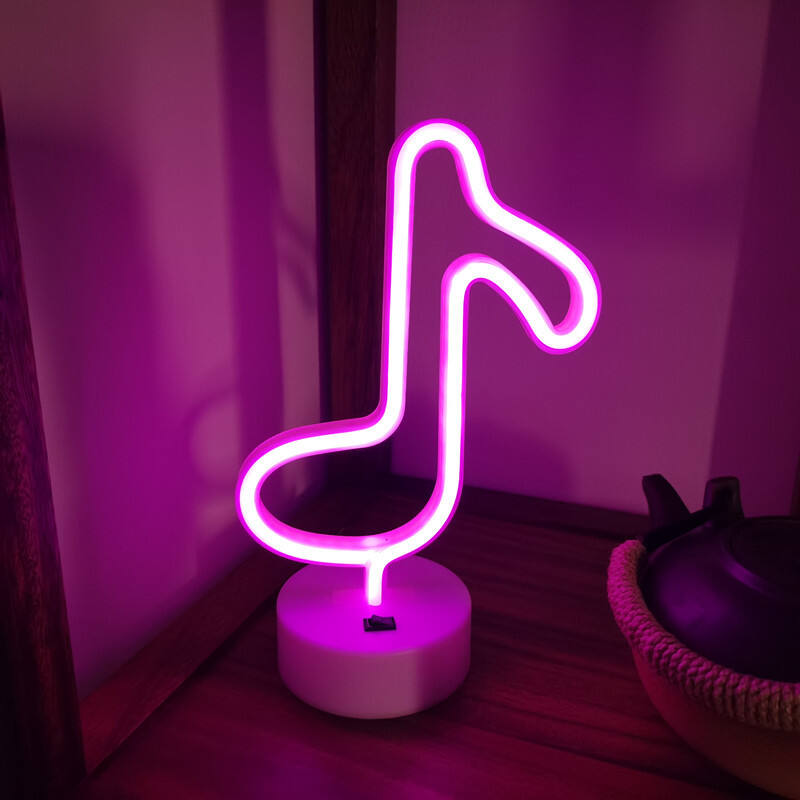
FAQ
How long do custom LED neon signs typically last compared to traditional neon?
Modern LED neon alternatives typically provide operational lifespans exceeding fifty thousand hours of continuous use, which translates to approximately twenty-five years of normal business operation. This represents a significant improvement over traditional glass neon tubes, which generally require replacement every eight to fifteen years depending on usage patterns and environmental conditions. The extended lifespan reduces replacement costs and operational disruption while providing consistent performance throughout the operational period.
Can custom LED neon signs operate effectively in outdoor environments?
Quality LED neon systems are specifically engineered for outdoor applications with protective housings rated for various environmental conditions including temperature extremes, moisture exposure, and ultraviolet radiation. Proper installation techniques and appropriate mounting systems ensure reliable performance in challenging weather conditions. Many systems carry warranty coverage for outdoor applications when installed according to manufacturer specifications and local electrical codes.
What customization options are available for businesses with specific branding requirements?
Comprehensive customization capabilities include precise color matching to corporate brand standards, complex shape cutting for logos and lettering, programmable color-changing sequences, and dimming controls for different operational requirements. Manufacturing processes accommodate various sizes from small accent lighting to large architectural installations. Professional design services help businesses develop concepts that effectively communicate their brand identity while maximizing visual impact within budget constraints.
How do energy costs compare between LED neon and traditional lighting options?
LED neon systems typically consume sixty to eighty percent less electrical power compared to traditional glass neon while producing equivalent or superior brightness levels. This efficiency advantage translates into substantial utility cost savings, particularly for businesses operating large installations or extended operational hours. The reduced power consumption also enables installation in locations where electrical capacity limitations might restrict traditional neon applications, expanding potential installation opportunities for businesses.
Table of Contents
- Revolutionary Technology Behind Modern Neon Alternatives
- Customization Capabilities for Brand Expression
- Installation Advantages and Practical Benefits
- Market Applications Across Industries
- Cost-Effectiveness and Return on Investment
- Future Trends and Technology Evolution
-
FAQ
- How long do custom LED neon signs typically last compared to traditional neon?
- Can custom LED neon signs operate effectively in outdoor environments?
- What customization options are available for businesses with specific branding requirements?
- How do energy costs compare between LED neon and traditional lighting options?